A wall near the top of a coastal bluff
On lots with a mapped sensitive coastal bluff, walls and fences stay at least 5 feet from the bluff edge, at grade (SDMC 143.0143).
Service area · City of San Diego
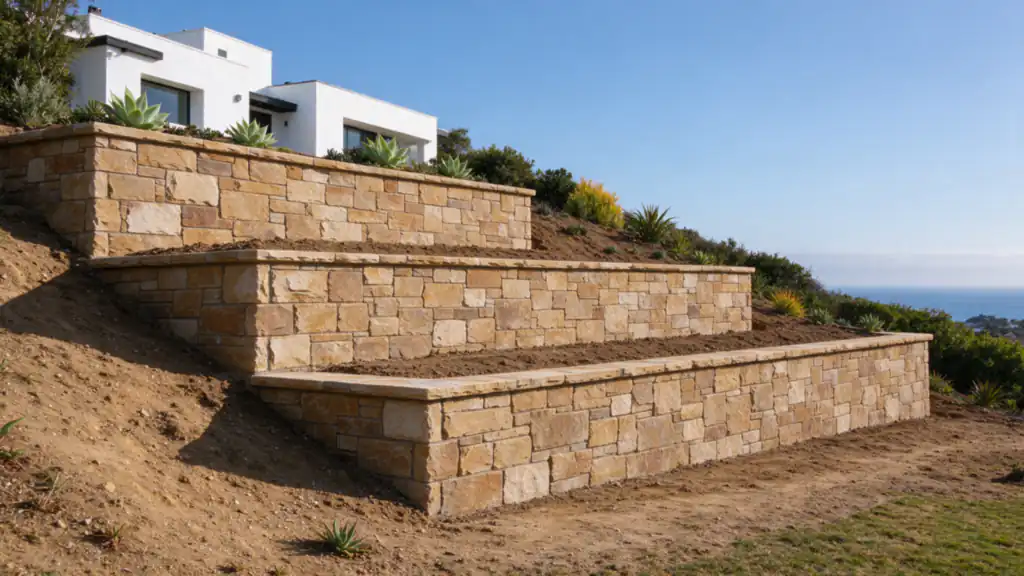
On lots with a mapped sensitive coastal bluff, walls and fences stay at least 5 feet from the bluff edge, at grade (SDMC 143.0143).
In the La Jolla Shores Planned District, no grading may begin until a permit that includes it is approved (SDMC 1510.0301), so the wall and its excavation are planned together.
About a third of La Jolla is mapped in slide-prone formations, where a wall over 6 feet or one holding a surcharge needs a geotechnical report first (SDMC 145.1803).
In La Jolla's three historic districts, historical review covers the whole premises, and the short-wall permit exemption does not apply to work on a historical resource.
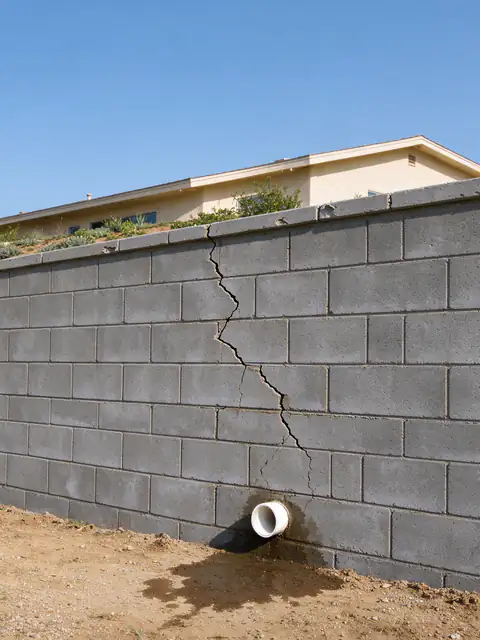
Retaining wall repair in San Diego for leaning, cracked and weeping walls, matched to the cause: drainage, footing or the load above.
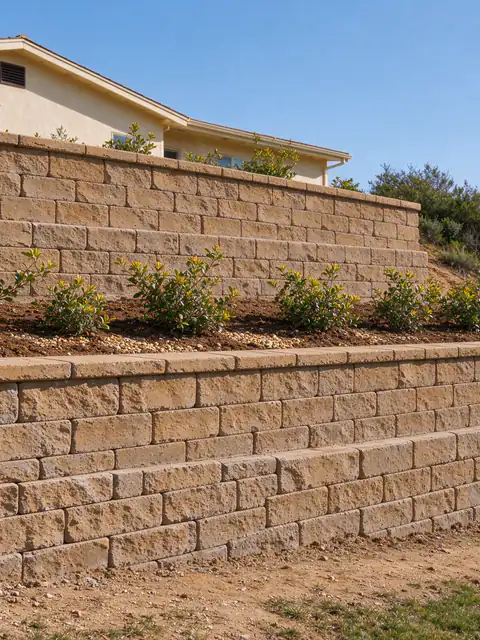
Hillside retaining walls in San Diego: terraced, canyon-rim and below-pool walls, planned around slope stability and soils reports.
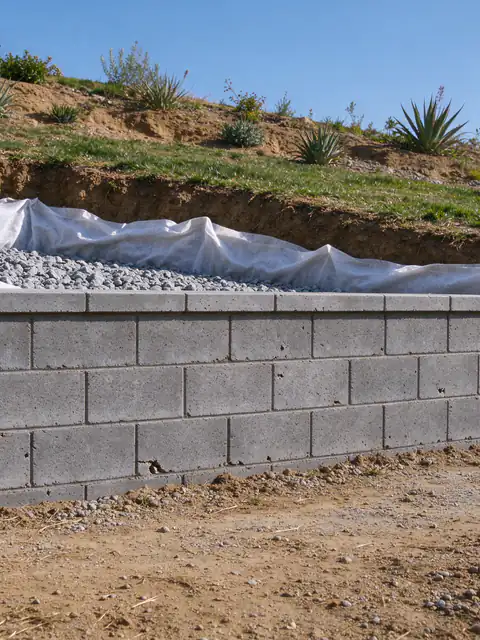
Retaining wall drainage in San Diego: gravel, fabric and perforated pipe behind new walls, plus retrofits for blocked drains.
Last Updated:
A retaining wall in La Jolla gets planned around three maps before it is drawn: the City’s sensitive coastal bluff map, its geologic hazard map and the Coastal Zone boundary. Batterline San Diego Retaining Walls offers and manages retaining wall work in La Jolla, from repair of leaning and weeping walls to new hillside retaining walls, and those maps decide what can be built, how close to an edge, and which reviews come first. Permits come from the City of San Diego’s Development Services Department, under several rules that apply here and almost nowhere else in the city.
The order of work is what changes. Before anything is designed, the lot is checked against every overlay that touches it: a mapped sensitive coastal bluff, the Coastal Overlay Zone, the La Jolla Shores Planned District, a designated historic district, and the lot’s category on the City’s Seismic Safety Study maps. Those decide the setbacks, the permits and whether a geotechnical report has to come before the engineering. The City’s standard block wall drawings can’t be used on sites with landslides, slope instability or coastal bluff stability concerns (IB 221), so on many La Jolla lots the wall is designed by a California-licensed engineer from the start.
Next, the wall’s position is fixed against the bluff edge, the property line and anything above it, since every part of a City wall has to stay on the owner’s property. Then come the permits: usually a building permit plus a Coastal Development Permit or a documented exemption, and on Shores lots the grading approval. The retaining wall permit guide explains each step for the whole city.
The coast sets the first limits. On lots with a mapped sensitive coastal bluff, SDMC 143.0143 keeps buildings and additions at least 40 feet back from the bluff edge, allows 25 to 40 feet only with a geology report that analyzes bluff retreat, sea-level rise and El Niño effects, and lets walls and fences come no closer than 5 feet to the edge, at grade. A retaining wall or shotcrete on the bluff face itself is allowed only when it is the only feasible erosion control protecting an existing primary structure, with a geotechnical report and a finish matched to the landform’s color and texture. All drainage has to be directed away from the bluff. About 66% of La Jolla lies inside the California Coastal Zone boundary, where wall work can need a Coastal Development Permit or an exemption, and repairs to an existing bluff wall lose that exemption in the cases the coastal bluff walls guide describes.
Inland, the slopes set the next limits. In a sample of the City’s geologic hazard layer, about 7% of La Jolla is mapped as confirmed or possible landslides, 35% as slide-prone formations and 1.5% as coastal bluff. In a USDA soil survey sample, half the points sit on slopes of 15% or more and a third on 30% or more, and 38% show moderate or higher shrink-swell. Where a lot sits on the Altamont clay mapped on parts of the 30 to 50 percent slopes, the wall faces clay that swells against it when wet; on the steep Olivenhain cobbly loam and terrace escarpment units, the question is how the slope itself behaves. On that ground, the footing depth, the drainage zone and whether a soils report is needed are engineering questions, as the guide on when a wall needs an engineer explains.
Local rules add a third layer. In the La Jolla Shores Planned District, no grading may start until a permit including it is approved, and the district’s stated intent is to preserve canyons and prevent cutting steep slopes or filling to create level lots. La Jolla also holds three City historic districts, La Jolla Park, El Pueblo Ribera and the Bishop’s School district, where historical review covers the whole premises. Most of the housing is older, too: 68.5% of homes were built before 1980, with a median build year around 1972 (Census ACS), so a wall on an older lot may predate today’s standard drawings and drain specifications. That is a reason to look closely, not proof of a defect. City open permit data lists 77 La Jolla projects with a building permit approval mentioning a retaining wall between January 5, 2024 and October 22, 2026, more than any other community planning area, and 40 of them were mainly wall projects.
On a bluff-top or canyon lot, where the water goes matters as much as the wall. Water soaking the soil behind a wall raises the pressure on it, and water dumped over a bluff edge or down a canyon slope erodes the ground that supports the wall and the house. With about 83% of Lindbergh Field’s yearly rain falling from November through March (NOAA climate normals), a drain that silted up over summer is tested by a few large storms. So a La Jolla wall is designed from its drainage and the load above it outward: gravel and perforated pipe behind it, outlets carried to an approved discharge point, surface water turned away from the edge, and no driveway, pool or fence on the wall the design hasn’t counted. Where the slope itself is failing, slope repair comes before or alongside the wall, and the guide to walls on canyon lots covers the access and setback questions those lots raise. For budgets, the retaining wall cost guide lists the City fees and typical ranges that apply here.
Planning a wall on a La Jolla slope? Get an Estimate.
Share the wall's length and height, what sits above it and how close it is to a bluff edge or canyon. The estimate names the permits and reports the lot is likely to need.
On lots with a mapped sensitive coastal bluff, accessory features such as fences and walls may sit no closer than 5 feet to the bluff edge, and only at grade. Buildings and additions stay at least 40 feet back, or 25 to 40 feet with a geology report and a deed restriction waiving future protective devices (SDMC 143.0143).
If building it disturbs the natural terrain, that grading has to be approved as part of a permit before it starts. The La Jolla Shores Planned District bars grading until a permit that includes it is approved, and grading plans pass only on findings of minimal terrain disturbance and no erosion or slide damage (SDMC 1510.0301). Whether the wall's building permit covers it is settled with Development Services.
La Jolla uses the same City fee schedule and the same San Diego-area price ranges as the rest of the city; there is no separate La Jolla band. A segmental block wall typically runs about $40 to $140 per square foot of wall face, City permit fees about $2,800 to $4,650 for the first 50 feet, and a soils report, where one is required, about $2,000 to $6,500.
It depends on the wall and the mapped ground under it. In a sample of the City's Seismic Safety Study map, about 35% of La Jolla falls in slide-prone formations and about 7% in mapped landslides. A wall over 6 feet, or one holding a surcharge, in those categories needs a geotechnical report (SDMC 145.1803). The category of the specific lot decides it.
It can. La Jolla holds three City historic districts: La Jolla Park, El Pueblo Ribera and the Bishop's School district. Inside one, the Historical Resources Regulations apply to the whole premises, single-dwelling development needs a Site Development Permit unless it qualifies for an exemption, and a construction permit is required in all cases (SDMC 143.0210 to 143.0220).
What the City of San Diego, Encinitas and Solana Beach allow near a bluff edge, why bluff work is engineered and permitted case by case, and which parts of it sit outside ordinary residential wall work.
Every trigger the City of San Diego and the County use, from the 3-foot rule and surcharge loads to engineering, soils reports, coastal permits, zoning heights, licensing, fees and inspections.
Typical San Diego-area ranges for each wall type, what sits inside the price, the permit fees the City and County publish, and three worked budgets.
Structural versus decorative walls, the narrow case the City's standard drawings cover, what a structural engineer and a geotechnical engineer each do, and what engineering adds to the budget.
The fire, hillside, open space and geology rules that apply where a San Diego yard meets a canyon, and who is responsible for the slope below the fence.
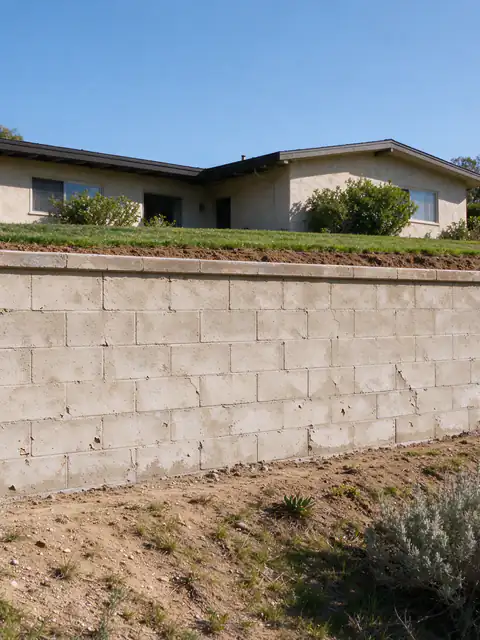
City of San Diego. Canyon-rim lots, slide-prone formations and mid-century walls.
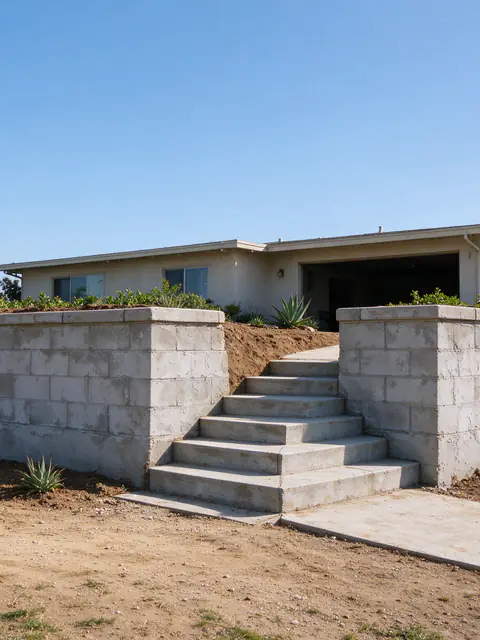
City of San Diego. Sunset Cliffs bluffs; about three quarters of the area in the Coastal Zone.
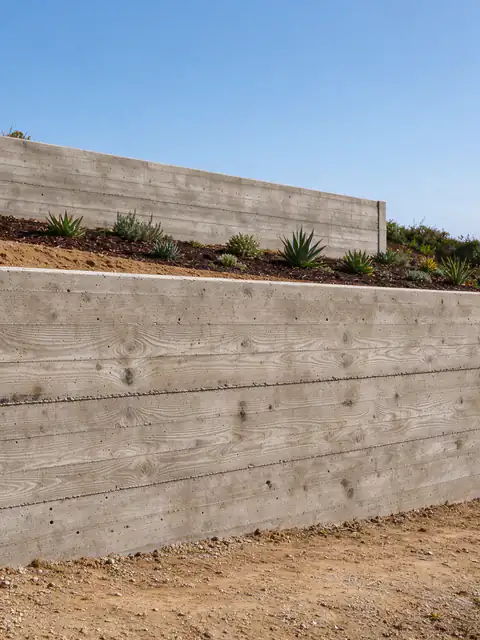
City of Solana Beach. Upper-bluff retention permits and bluff-top setbacks.
Tell us what the wall is doing, how tall it is from the lowest visible point, what sits above it and your ZIP code. Photos of the face, the top and any drain outlets make the first conversation more useful.